
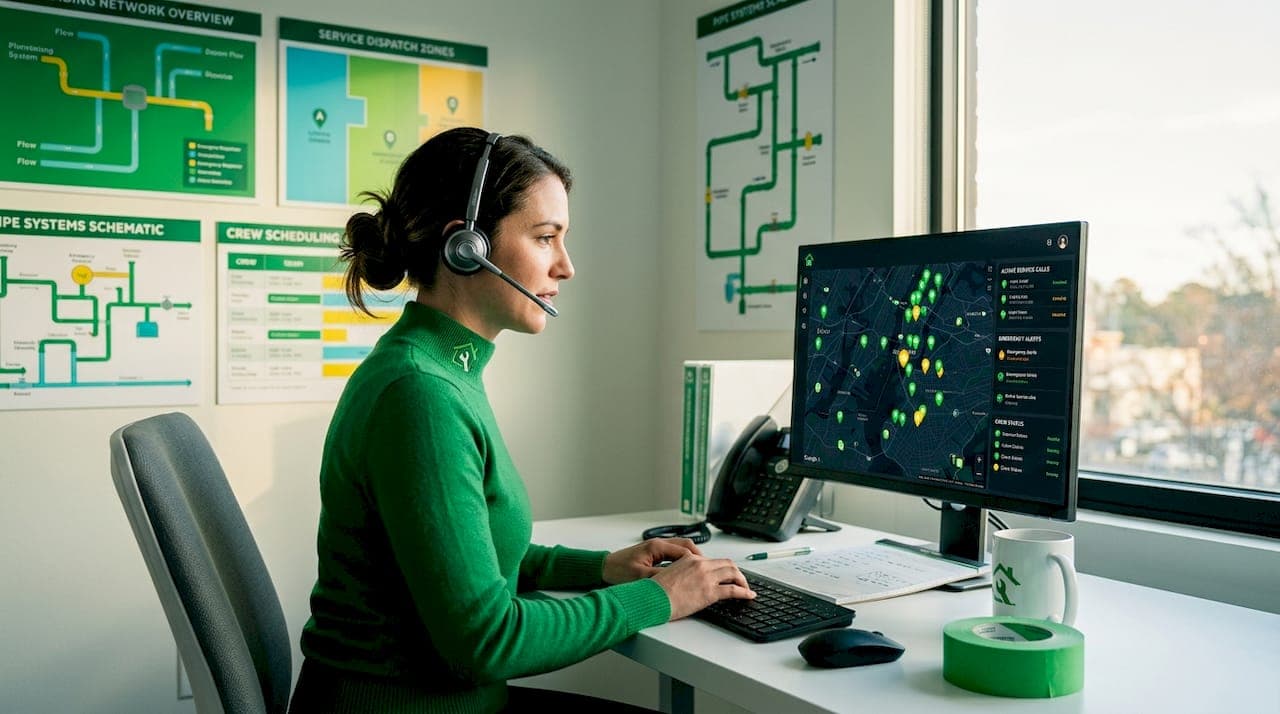
When water is spraying across your kitchen or a toilet won't stop running at midnight, you want help fast. Understanding how emergency plumbing dispatch is prioritized can mean the difference between a quick fix and thousands of dollars in water damage. Most homeowners assume that calling a 24/7 plumbing service means someone shows up immediately, no matter what. That's not always true. Dispatch systems sort calls by urgency, and knowing how that process works helps you communicate better, set realistic expectations, and get the right help at the right time.
Table of Contents
- Key Takeaways
- How emergency plumbing dispatch is prioritized
- What dispatchers ask when you call
- Dispatch routing and escalation after your call
- How you can influence your dispatch priority
- Technology behind faster dispatch
- My take on why this knowledge matters
- Mgkplumbing is ready when you need us 🚨
- FAQ
Key Takeaways
| Point | Details |
|---|---|
| Three-tier dispatch system | Plumbing emergencies are sorted into three priority levels that determine how fast a technician is sent. |
| Your words trigger faster response | Using specific language like "flooding" or "pipe burst" can fast-track your call to immediate dispatch. |
| After-hours rules are stricter | Only true Tier 1 emergencies receive immediate nighttime dispatch; other issues wait until morning. |
| Shutting off water changes your tier | Stopping the water flow can reduce urgency and shift your call to a lower-cost, scheduled response. |
| Automation speeds up response times | Modern dispatch systems can get a technician onsite up to 5x faster than manual call routing. |
How emergency plumbing dispatch is prioritized
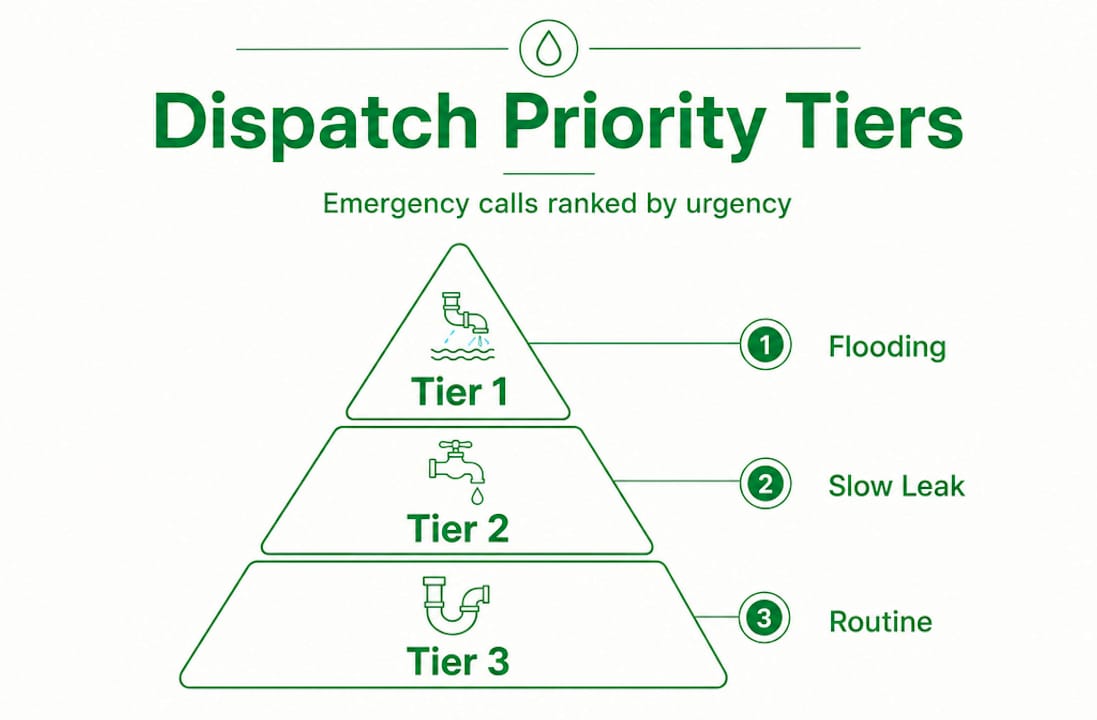
Not every call that comes into a plumbing company gets the same response. Emergency calls are classified into three distinct tiers, each with its own dispatch timing and communication protocol. This system exists to protect both homeowners and technicians, sending the right level of response to the right situation without waking someone up at 2 a.m. for a slow-draining sink.
Tier 1: Immediate emergency. These are the situations where every minute counts. Think active flooding from a burst pipe, a gas leak, sewage backing up into living spaces, or water near electrical outlets. A Tier 1 call triggers immediate dispatch, meaning the on-call technician is contacted right now, regardless of the time. Waiting on these issues can cause structural damage, mold growth, or serious safety hazards.
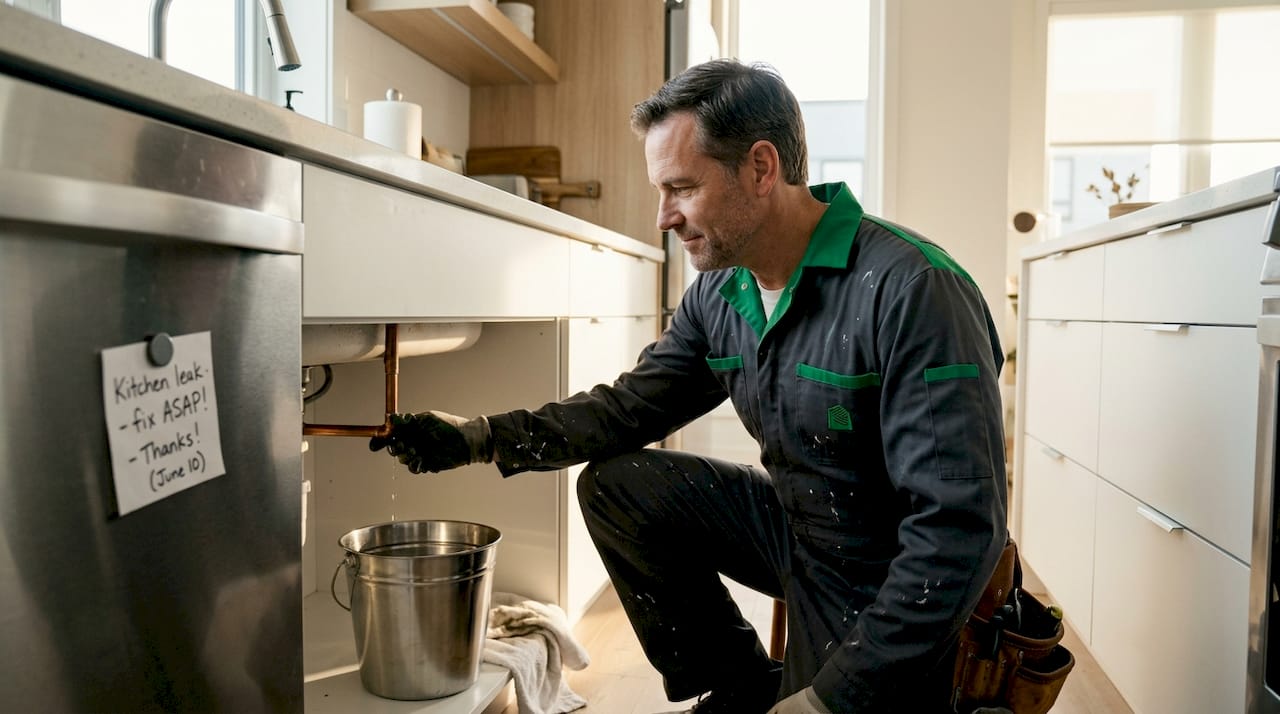
Tier 2: Urgent but contained. This tier covers problems that are serious but not actively worsening. A slow leak under a sink, a running toilet, or a water heater that stopped working all fall here. These issues need attention soon but do not require waking a plumber at midnight. The standard response is a first-available appointment, often early the next morning.
Tier 3: Routine scheduling. Low-flow faucets, minor drain slowdowns, and other non-urgent repairs land in Tier 3. These get routed to normal business hours with a standard appointment confirmation.
Here is a quick breakdown of what separates each tier:
- Tier 1: Active flooding, gas leaks, sewage backup, water near electricity. Dispatch is immediate, 24/7.
- Tier 2: Contained leaks, no hot water, running toilets. Scheduled for next available morning slot.
- Tier 3: Minor clogs, slow drains, cosmetic repairs. Handled during regular business hours.
Pro Tip: If your situation is Tier 2 but you can safely contain it tonight (like placing a bucket and turning off the supply valve), you may save money by waiting for a standard morning appointment rather than paying after-hours rates.
What dispatchers ask when you call
The moment you dial in, a dispatcher starts collecting information to classify your call. This is the triage phase, and what you say in the first 60 seconds shapes everything that happens next.
Here is what a dispatcher typically works through during the call:
- What is the problem? They need a clear description. "Water is coming through my ceiling" tells them far more than "I have a leak."
- Where is the water or gas coming from? Location matters for both safety assessment and technician preparation.
- Have you shut off the water or gas supply? This single answer can shift your call from Tier 1 to Tier 2.
- Are there any safety hazards present? Water near a breaker box, exposed wiring, or a gas smell all trigger immediate escalation.
- Is anyone in danger? Obvious but important. A flooded basement with an elderly person inside is treated differently than an empty vacation home.
Keyword triggers like "pipe burst," "flooding," or "water everywhere" are programmed into many modern dispatch systems to bypass standard call queues and route directly to the on-call plumber. The specific words you use matter.
After-hours triage follows stricter rules. Only Tier 1 calls receive immediate dispatch at night. Tier 2 issues get scheduled for first thing in the morning. Tier 3 calls are held for standard business hours. This protects technicians from unnecessary disruption while keeping true emergencies covered around the clock.
Pro Tip: Before you call, take 30 seconds to write down exactly what you see: where the water is coming from, whether you have shut off the main valve, and any safety concerns. This speeds up triage and gets you the right priority faster.
Dispatch routing and escalation after your call
Once your call is triaged, the dispatch workflow kicks in. For Tier 1 emergencies, the call is transferred immediately to the on-call technician. But what happens if that technician does not pick up?
Modern dispatch systems do not leave you waiting. Automated escalation kicks in if the primary technician fails to respond within 60 to 90 seconds. A backup technician is notified automatically, and if they do not respond either, the business owner or manager is alerted. No emergency call falls through the cracks.
Here is how the routing looks across all three tiers:
| Tier | When dispatched | Technician contact method | Escalation protocol |
|---|---|---|---|
| Tier 1 | Immediately, 24/7 | Direct call to on-call tech | Auto-escalation to backup within 90 seconds |
| Tier 2 | Next available morning | Scheduled notification | Standard scheduling, no after-hours call |
| Tier 3 | Business hours only | Appointment confirmation | None required |
For Tier 2 calls, the dispatcher schedules the first available morning appointment and sends you a confirmation. No one is woken up, and you are not left wondering when help will arrive. Tier 3 calls get routed through the regular scheduling system with a standard confirmation window.
Response speed matters beyond just convenience. Waiting too long on a true emergency can increase damage and cost significantly. A burst pipe that goes unaddressed for an extra hour can soak subfloors, drywall, and insulation, turning a repair into a full renovation.
How you can influence your dispatch priority
You have more control over your dispatch priority than you might think. The way you describe your situation directly affects how a dispatcher classifies your call and how fast a technician arrives.
Here is what makes a real difference:
- Be specific about what you see. "Water is pouring from under my kitchen sink and the cabinet floor is soaked" gets faster action than "I think I have a leak."
- Mention safety risks immediately. If water is near your electrical panel, outlets, or appliances, say that in your first sentence. It triggers an automatic Tier 1 response.
- Report your shutoff status. If you have already turned off the main water valve, tell the dispatcher. This shows the situation is contained and helps them assign the correct tier.
- Use high-urgency language when it applies. Descriptive language during the call speeds priority classification. Words like "flooding," "burst," and "sewage" carry weight in automated and human triage systems alike.
Knowing when to call for emergency service versus scheduling a regular appointment also protects your wallet. A running toilet at 11 p.m. is annoying, but it is not a flood. If you can safely manage the situation overnight, scheduling a morning appointment avoids after-hours fees that can run two to three times the standard rate.
Pro Tip: Learn where your main water shutoff valve is before an emergency happens. Shutting it off quickly can turn a Tier 1 disaster into a manageable Tier 2 situation and save you hundreds of dollars in after-hours dispatch fees.
Technology behind faster dispatch
Modern plumbing companies have moved well beyond someone answering a phone and calling a plumber. Automated dispatch technology has changed how quickly help reaches your door.
The numbers tell the story. Automated dispatch workflows place qualified technicians onsite 3 to 5 times faster than manual dispatch. Manual processes average 20 to 45 minutes from call to technician notification. Automation cuts that under 10 minutes.
Here is what that technology looks like in practice:
| Technology | What it does | Homeowner benefit |
|---|---|---|
| Automated triage classification | Sorts calls by urgency using keyword triggers | Faster priority assignment, less hold time |
| GPS proximity routing | Sends the nearest qualified technician | Shorter drive time, faster arrival |
| Auto-escalation protocols | Alerts backup tech if primary does not respond | No missed emergency calls |
| SMS/push notifications | Sends ETA updates to homeowner in real time | Transparency and reduced anxiety |
GPS-based routing means the system does not just call any available technician. It identifies the closest qualified plumber to your location and dispatches them first. You get a faster arrival, and the technician spends less time driving. Many companies also send automatic SMS updates so you know exactly when to expect someone, which removes the frustration of waiting and wondering.
My take on why this knowledge matters
I have been in and around the plumbing industry long enough to see a pattern that frustrates me. Homeowners call in a panic about a slow drain at midnight, pay emergency rates, and then feel blindsided when the bill arrives. On the flip side, I have seen people wait too long on a real emergency because they did not want to bother anyone, and by morning, the damage had doubled.
Understanding how plumbing emergencies are handled changes both of those outcomes. When you know that a contained, non-worsening problem is a Tier 2 call, you stop paying Tier 1 prices for it. When you know that water near your electrical panel is an absolute Tier 1 situation, you stop hesitating and call immediately.
What I have found is that the homeowners who communicate clearly and specifically get better service. Not because dispatchers play favorites, but because clear problem descriptions give dispatchers the information they need to act correctly and fast. The technology improvements in dispatch are real and meaningful, but they only work when the information coming in is accurate.
My honest advice: learn your home's shutoff valve location today, bookmark a trusted after-hours plumbing resource, and know the difference between a true emergency and an urgent inconvenience. That knowledge alone can save you money and reduce panic when something goes wrong.
— Mike
Mgkplumbing is ready when you need us 🚨
When a real plumbing emergency hits, you need a team that already has the dispatch process dialed in. Mgkplumbing offers 24/7 emergency plumbing dispatch for homeowners across North and South Carolina, with true Tier 1 immediate response for active flooding, gas concerns, and serious water hazards.
For urgent but contained issues, we schedule first-available appointments so you are not paying after-hours rates when you do not need to. Routine repairs get handled during regular business hours with honest, upfront pricing. Our licensed, bonded, and insured technicians are ready to respond, and we keep you informed every step of the way. Need to plan ahead? You can also schedule service online for non-emergency repairs at your convenience. Call Mgkplumbing now and talk to a real person who will triage your situation and get you the right help, fast. 🔧
FAQ
What is emergency plumbing dispatch prioritization?
Emergency plumbing dispatch prioritization is a tiered system that classifies calls by urgency. Tier 1 gets immediate dispatch, Tier 2 is scheduled for the next morning, and Tier 3 is handled during regular business hours.
Does calling a 24/7 plumber mean someone comes right away?
Not always. Most 24/7 plumbing services answer calls around the clock but only dispatch immediately for true Tier 1 emergencies like active flooding or gas leaks.
How can I speed up my emergency dispatch response?
Use specific, descriptive language when you call. Saying "pipe burst" or "water near my electrical panel" triggers faster priority classification than vague descriptions. Also report whether you have shut off the water supply.
What qualifies as a Tier 1 plumbing emergency?
Active flooding, gas leaks, sewage backup into living areas, and water near electrical outlets or appliances all qualify as Tier 1. These require immediate dispatch regardless of the time of day.
How fast can an automated dispatch system respond?
Automated systems can get a technician notified and routed in under 10 minutes. That is compared to 20 to 45 minutes for manual dispatch processes, making automation a significant improvement for true emergencies.