
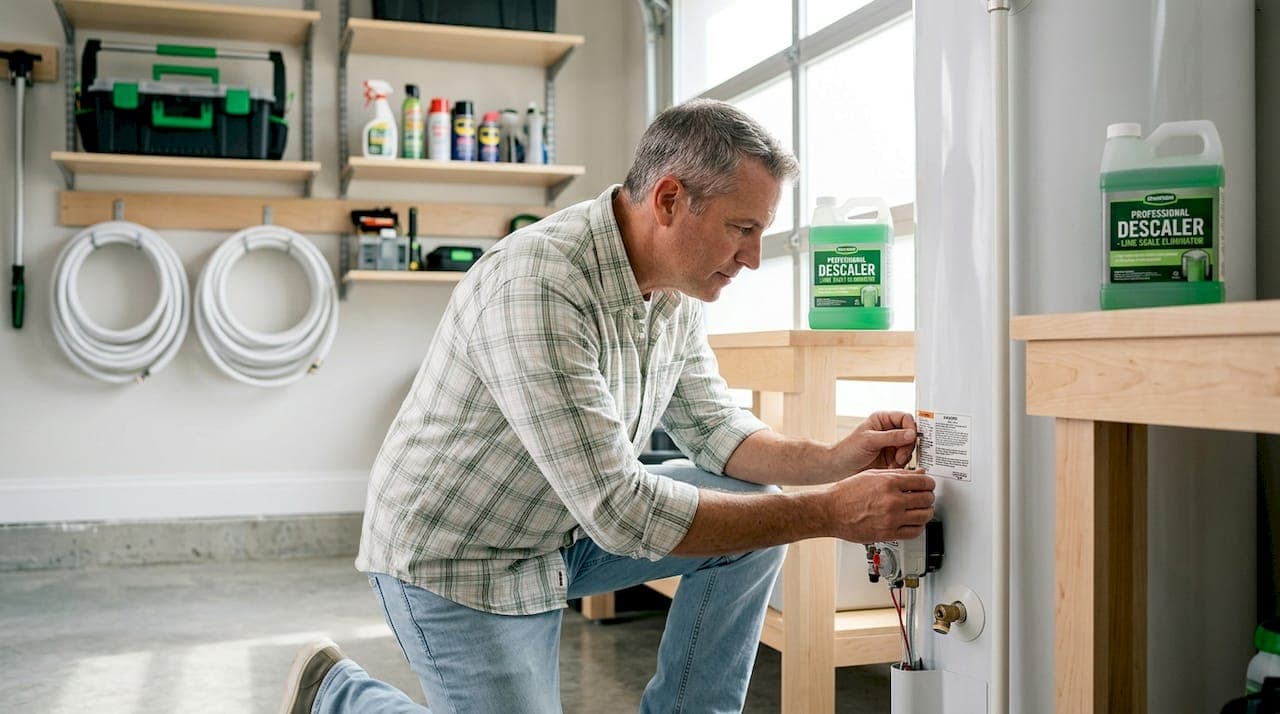
Your water heater runs every single day, yet most homeowners never think about it until something goes wrong. The role of water heater in home efficiency is bigger than you might expect. Water heating accounts for 14–19% of your home's total energy use, making it the second-largest energy expense after heating and cooling. That means your water heater has a direct, measurable impact on your monthly utility bills. This guide covers the technology types, maintenance habits, thermostat settings, and upgrade options that can genuinely move the needle on your energy costs.
Table of Contents
- Key Takeaways
- How water heaters impact home efficiency
- Comparing water heater technologies
- Practical steps to improve water heater efficiency
- Signs your water heater is hurting your efficiency
- My honest take on water heater efficiency
- Let Mgkplumbing help you save more 🔧
- FAQ
Key Takeaways
| Point | Details |
|---|---|
| Water heaters are a major cost driver | They account for up to 19% of home energy use, so efficiency gains here add up fast. |
| UEF is the number that matters | The Uniform Energy Factor tells you how efficiently a unit converts energy under real conditions. |
| 120°F is the sweet spot | Dropping your thermostat from 140°F saves energy, reduces scale buildup, and extends tank life. |
| Heat pump units deliver the biggest savings | They are 3 to 4 times more efficient than standard electric heaters and can save thousands over time. |
| Tax credits cut upgrade costs significantly | Federal credits under the Inflation Reduction Act cover up to 30% of heat pump water heater costs. |
How water heaters impact home efficiency
Most homeowners think efficiency means how fast the water gets hot. That is not what it means. Efficiency is about how much of the energy your unit consumes actually ends up heating your water, versus how much gets wasted. Understanding this distinction is what separates a homeowner who saves money from one who keeps overpaying.
The key metric is the Uniform Energy Factor, or UEF. It measures how efficiently a water heater performs under realistic usage conditions, accounting for standby losses and flue losses. A higher UEF means more of every dollar you spend on energy goes toward hot water. When you are comparing units, this number tells you more than brand name or tank size ever will.
One of the biggest hidden costs in home heating systems is standby heat loss. This happens when your storage tank keeps water hot around the clock, even when nobody is home and nobody is showering. Standby loss accounts for 15–20% of annual energy consumption in storage water heaters. That is a significant chunk of your bill going toward water you never used.
Here is a quick breakdown of how the main water heater types compare on efficiency:
- Standard electric resistance: Low upfront cost, but high operating costs. Every dollar of electricity produces roughly one dollar of heat. No waste in conversion, but electricity itself is expensive.
- Gas storage tank: Lower operating cost than electric in most regions, but flue losses reduce overall efficiency. UEF typically ranges from 0.60 to 0.70.
- Tankless (on-demand): Heats water only when you need it, eliminating standby loss entirely. Gas tankless units typically reach UEF scores of 0.82 to 0.96.
- Heat pump water heaters: Move heat from the surrounding air rather than generating it directly. This makes them dramatically more efficient than any resistance-based unit.
Pro Tip: If your current unit does not have a UEF label or you cannot find it in the manual, check the manufacturer's website. Knowing your unit's UEF is the fastest way to see whether an upgrade would pay off.
Comparing water heater technologies
Choosing the right water heater technology is one of the most impactful decisions you can make when optimizing home energy usage. The upfront price tag often drives the decision, but the operating cost over 10 to 15 years tells a very different story.
| Type | Typical UEF | Avg. Annual Cost | Lifespan | Best For |
|---|---|---|---|---|
| Electric resistance | 0.90–0.95 | $500–$600 | 10–15 years | Small households, low upfront budget |
| Gas storage tank | 0.60–0.70 | $250–$350 | 8–12 years | Homes with existing gas lines |
| Tankless (gas) | 0.82–0.96 | $150–$250 | 20+ years | Households with variable demand |
| Heat pump (electric) | 3.5–4.0 | $100–$175 | 10–15 years | Most households seeking max savings |
The heat pump water heater stands out. Heat pump units are 3 to 4 times more efficient than standard electric resistance heaters and can save a four-person household nearly $9,000 over 15 years. They work by pulling heat from the surrounding air and transferring it to the water, much like a refrigerator works in reverse. The result is a unit that produces more heat energy than the electrical energy it consumes.
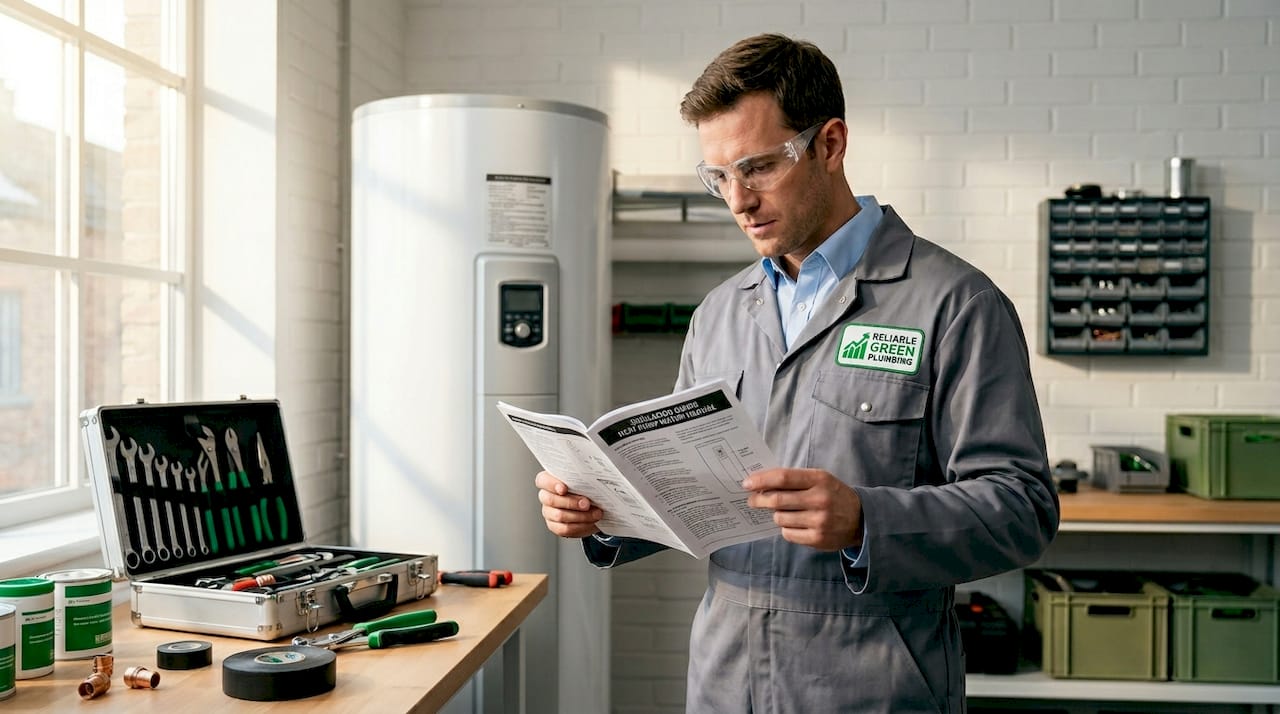
That said, heat pump water heaters do have trade-offs. They need adequate space (at least 1,000 cubic feet of air volume around them) and they work best in spaces that stay above 40°F year-round. If your water heater is in a small closet in a cold climate, a tankless water heater may be a better fit.
Gas tankless units are another strong option for efficient hot water solutions. They eliminate standby loss, last 20 or more years with proper maintenance, and handle high-demand households well. The trade-off is a higher upfront cost and the need for a larger gas line in some homes.
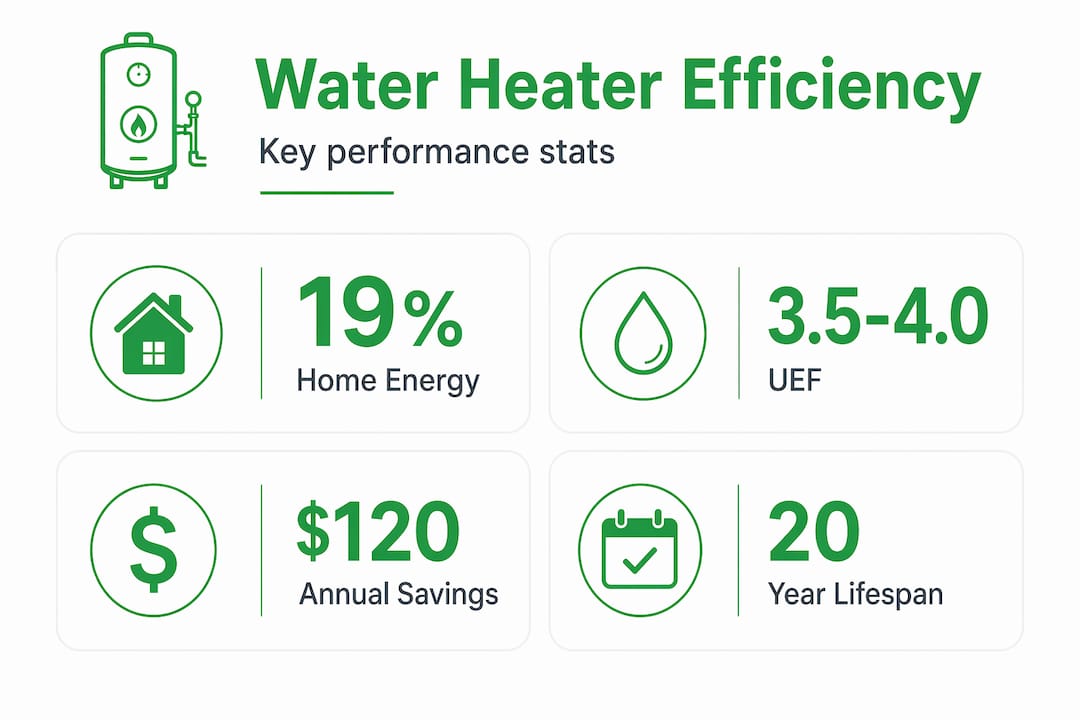
Pro Tip: When comparing units at the store or online, divide the annual operating cost by the UEF score to get a true apples-to-apples comparison. A cheaper unit with a lower UEF often costs more over its lifetime.
Practical steps to improve water heater efficiency
You do not need to replace your water heater to see real savings. Several low-cost or no-cost steps can meaningfully reduce your energy bills starting this month.
-
Lower your thermostat to 120°F. Most water heaters ship from the factory set to 140°F. Dropping to 120°F reduces standby heat loss by 18 to 25% and can cut your annual hot water energy use by 4 to 12%. That translates to $25 to $78 in savings per year. It also reduces mineral scale buildup inside the tank, which extends the life of your heating element.
-
Flush the tank once a year. Sediment from minerals in your water supply settles at the bottom of the tank over time. Sediment acts as insulation, blocking efficient heat transfer and forcing your unit to run longer to reach temperature. Annual flushing removes this buildup and keeps your unit running at its rated efficiency.
-
Insulate your hot water pipes. Uninsulated pipes lose heat between the tank and your faucet. Pre-slit foam pipe insulation costs just a few dollars per foot and keeps water hotter as it travels through your home. You will notice the difference in how quickly hot water arrives at your tap.
-
Add an insulating blanket to older tanks. If your storage tank is more than 10 years old and feels warm to the touch on the outside, it is losing heat through the walls. A water heater insulating blanket (available at any hardware store) can reduce standby losses by an additional 25 to 45%.
-
Use a programmable timer or vacation mode. Programmable timers let you schedule your water heater to run only during hours when you actually need hot water. If you are away for a week, vacation mode keeps the tank at a minimal temperature rather than heating it to full temperature around the clock.
-
Switch to water-saving fixtures. Low-flow showerheads and faucet aerators reduce the volume of hot water you use, which directly reduces how hard your water heater has to work. This is one of the simplest behavioral changes with a measurable impact.
Pro Tip: Check your electric water heater for a second heating element near the bottom of the tank. If it is coated in scale, it is working twice as hard for half the output. This is a clear sign annual flushing is overdue.
Signs your water heater is hurting your efficiency
Sometimes the most cost-effective move is replacing an aging unit. Knowing the warning signs can save you from overpaying on energy bills for years before you act.
Watch for these indicators that your water heater is no longer pulling its weight:
- Longer recovery times. If your shower runs cold faster than it used to, your unit is struggling to keep up. This is often the first sign of sediment buildup or a failing heating element.
- Rumbling or popping noises. These sounds come from sediment being heated and disturbed at the bottom of the tank. It is a sign that the buildup has become severe enough to cause uneven heating.
- Rising energy bills with no change in usage. A gradual increase in your utility bill, with no obvious explanation, often points to a water heater that is losing efficiency.
- Visible rust or corrosion on the tank. Once corrosion begins, the tank's integrity is compromised. Replacement is the only real fix at that point.
- Age over 10 to 12 years. A 12-year-old unit can use 25 to 30% more energy than a new equivalent model. At that point, the math often favors replacement.
If your unit is showing these signs, the good news is that upgrading in 2026 comes with meaningful financial help. Federal tax credits under the Inflation Reduction Act cover up to 30% of the cost of a heat pump water heater installation, with a maximum credit of $2,000. Many utility companies in North and South Carolina also offer rebates on top of the federal credit. Together, these incentives can shorten the payback period on a new heat pump unit to just 2 to 4 years.
| Unit age | Estimated efficiency loss | Recommended action |
|---|---|---|
| Under 7 years | Minimal | Maintain and optimize |
| 7 to 10 years | 10–15% | Schedule inspection |
| 10 to 12 years | 15–25% | Evaluate replacement |
| Over 12 years | 25–30%+ | Replace promptly |
My honest take on water heater efficiency
I have been working with homeowners on plumbing and water heater issues for years. What I see most often is this: people spend a lot of time researching the latest high-tech unit but skip the basics that would save them money right now.
The thermostat setting alone is something I bring up at almost every service call. Most tanks are still set at 140°F from the factory. Dropping that to 120°F takes two minutes and costs nothing. I have seen homeowners spend thousands on a new unit while their old one was set 20 degrees too high and caked in sediment. The new unit helps, but the habits have to change too.
That said, I do not want to dismiss the value of upgrading when the time is right. A heat pump water heater on a 12-year-old electric resistance unit is one of the clearest cases I know of where the numbers genuinely favor spending money. The federal credits make it even more compelling. Upfront cost is real, but the payback period is short and the monthly savings are consistent.
My advice: start with the free stuff. Lower the thermostat. Flush the tank. Insulate the pipes. Then look at your unit's age and UEF. If both are working against you, talk to a licensed plumber about what a replacement would actually cost after credits. You might be surprised how quickly it pays for itself.
— Mike Knight
Let Mgkplumbing help you save more 🔧
If you are ready to take the next step toward a more efficient home, Mgkplumbing is here to help. We are a licensed, bonded, and insured full-service plumbing company serving homeowners across North and South Carolina.
Our team handles everything from water heater inspections and maintenance to full water heater installation and replacement, including heat pump and tankless unit upgrades. We can walk you through available federal tax credits and local utility rebates so you know exactly what your upgrade will cost after incentives. No surprises, no pressure. Just honest pricing and professional service. Check our current specials and schedule your water heater consultation today.
FAQ
What percentage of home energy does a water heater use?
Water heating typically accounts for 14 to 19% of a home's total energy use, making it the second-largest energy expense after heating and cooling.
What is the most efficient type of water heater?
Heat pump water heaters are the most efficient option available, with UEF ratings of 3.5 to 4.0. They are 3 to 4 times more efficient than standard electric resistance units and can save a household thousands of dollars over their lifespan.
How do I know if my water heater is inefficient?
Signs include rising energy bills, longer recovery times, rumbling noises during heating, and a unit that is 10 or more years old. A 12-year-old unit can use 25 to 30% more energy than a new equivalent model.
What thermostat setting saves the most energy?
Setting your water heater to 120°F reduces standby heat loss by 18 to 25% and cuts annual hot water energy costs by 4 to 12%, saving $25 to $78 per year compared to the factory default of 140°F.
Are there tax credits for upgrading to an efficient water heater?
Yes. Under the Inflation Reduction Act, homeowners can receive a federal tax credit of up to 30% of installation costs, with a maximum of $2,000, for qualifying heat pump water heater installations in 2026.